
Allergy
An Introduction to Allergic Diseases
The incidence of respiratory allergies is increasing, particularly in industrialized areas. Allergic inflammation can occur in both the upper and lower airways, and can differ substantially in intensity. Traditional drug therapy such as antihistamines, corticosteroids, anticholinergic agents and leukotriene inhibitors is important in reducing and preventing symptoms and is essential in acute use. More recent therapies including anti-immunoglobin E (IgE) therapy, anti-interleukin (IL) monoclonal antibodies, and phosphodiesterase 4/phospholipaseA2 inhibitors, have improved outcomes. However, in order to develop more effective therapies, further research is needed into the molecular mechanisms underlying respiratory allergy onset, particularly in terms of intracellular reactions and the cytosolic Ca2+ balance.
Browse our selection of video highlights and short articles from the conference hub, providing insights into the latest updates from major conferences and a selection of peer-reviewed articles from the journal portfolio.
Our supporting partners do not constitute an endorsement of the content on this page.


With multiple national and international meetings taking place throughout the year, deciding which conferences to attend isn't always straightforward. While scientific programs are an important consideration, opportunities for networking, collaboration, career development and practical learning can be just as valuable. To help identify the meetings making the biggest impact across respiratory and pulmonary medicine and related specialties, we asked members of the touchRESPIRATORY community their non-negotiable conferences and what makes them worth attending.

Respirology Reflections is our new, expert-led, practice pearls series delivering concise, actionable insights from leading experts in respiratory and pulmonary medicine. Designed to help healthcare professionals stay current, it highlights real-world challenges, emerging evidence, and actionable strategies to enhance clinical practice, strengthen decision-making, and build confidence in an increasingly complex and fast-evolving field.

In the first of our Respirology Reflections series, we spoke with Dr Shahzad Mustafa about recognizing and managing secondary immunodeficiency in adults, particularly those treated for allergy or asthma. He outlines the key medications and infection patterns that should raise concern, how to distinguish secondary from primary immunodeficiency, and which initial tests can guide referral. Dr Mustafa also discusses strategies such as vaccination, prophylaxis, and immunoglobulin replacement, emphasizing the importance of early recognition and coordinated, multidisciplinary care to reduce infectious complications and optimize patient outcomes.

The CHEST 2025 annual meeting brought together pulmonary, critical care, and sleep medicine experts to share emerging science, clinical insights, and forward-looking innovations shaping respiratory care. Through focused conversations with leaders across the field, these interviews highlight practical, practice-ready insights that clinicians can bring directly to patient care.

The 2025 American College of Allergy, Asthma & Immunology (ACAAI; November 6−10, Orlando, Florida, USA) annual meeting showcased emerging therapies and real-world insights across eosinophilic disorders, atopic disease, chronic respiratory conditions, and allergic rhinitis. From late-breaking clinical trial results to observational data, the conference highlighted advances in convenient, effective, and targeted therapies for patients, as well as strategies to optimize long-term disease management.

touchRESPIRATORY is delighted to welcome Dr S Shahzad Mustafa to our Editorial Board. Dr Mustafa serves as the Division Head of Allergy, Immunology, and Rheumatology at Rochester Regional Health, where he provides care to both adult and paediatric patients. His ...

Allergic rhinitis is a common and often underdiagnosed condition that can impact asthma control, sleep, and daily functioning. In this Q&A, Dr Syed Shahzad Mustafa discusses his CHEST 2025 presentation, reviewing first-line therapies, allergen avoidance strategies, and the evolving role of immunotherapy and biologics, offering practical guidance for clinicians to optimize patient care in 2025.

In this episode of Visionary Voices, we welcome Associate Professor Grace Vincent from CQUniversity’s Appleton Institute. A leading expert on sleep and shift work, Grace explores how disrupted sleep affects physician health in both the short and long term, as well as its impact on safety and performance. We also discuss what this means for patient outcomes and share practical strategies to manage sleep loss.

We are deeply saddened to share the passing of Dr Ronald A Strauss, an esteemed member of the Editorial Board of touchREVIEWS in Respiratory & Pulmonary Diseases, who died on 12 January 2025 at the age of 80 in Cleveland Heights, OH, USA. ...

In this episode, we speak with leading paediatric allergist Prof. Helen Brough to explore the key factors behind why some children develop allergies to foods such as peanuts, and what we can do to help prevent them. We also examine the latest developments in managing food allergies and the innovations on the horizon that could transform how we treat them.

As touchRESPIRATORY approaches 10 years of providing education for busy respiratory specialists, we are looking to the future—and it certainly looks bright!

In this EAACI 2025 interview, Dr Remi Gagnon discusses his presentation on the TT-06 phase III trial. This was the first trial to investigate the SQ tree sublingual immunotherapy (SLIT) tablet in children aged 5–17 with tree pollen-induced allergic rhinitis and/or conjunctivitis.
This interview explores the impact of seasonal allergies on quality of life and the background, design, and findings from the study.

Physician burnout is at a critical point. In this episode, Nicky speaks with Dr Alfred Atanda about why so many physicians are burning out and what can be done to change the trend. From personal experience to system-wide solutions, Dr Atanda shares valuable insights on improving physician well-being and building a more effective healthcare culture.

What if your medical degree could launch more than a clinical career? In this candid and compelling read, Dr Jon Edelson shares his lessons for early-career clinicians ready to think beyond the bedside and explore the business of medicine.

Future Leader, Dr Michelle Korah-Sedgwick discusses her innovative work at the intersection of immunology and respiratory care, focusing on uncovering immune deficiencies in chronic lung disease. She shares insights on personalized treatment approaches, the value of clinical vigilance, and how registries are transforming care for patients with complex respiratory conditions.

In this episode, we explore the future of continuing medical education (CME) with the team behind touchIME. Hannah Fisher and Matthew Goodwin share insights into global and US trends, the importance of patient inclusivity and how educational outcomes are evolving to better measure the direct impact of learning on clinical practice and patient care.

The current treatment landscape for severe asthma faces major challenges despite biologic advances targeting type 2 inflammation. Current biomarkers like BEC and FeNO inadequately predict treatment response. To optimize precision medicine, improved molecular phenotyping and novel non-invasive biomarkers are urgently needed to better identify asthma endotypes and guide therapy.
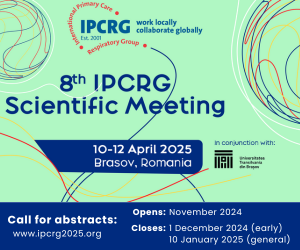
The International Primary Care Respiratory Group (IPCRG), is proud to host the 8th IPCRG Scientific Meeting in Brașov, Romania, on Friday 11 and Saturday 12 April 2025. This event, in partnership with the RespiRO team and the Transilvania University of Brașov promises to bring together researchers, innovators, and industry leaders to advance respiratory care in primary health settings.
Log into your Touch Account
Keep track of your clinical interests and newsletter subscriptions.
Sign up with an Email
Or use a .
Register now for FREE access
Already registered? Login below.
