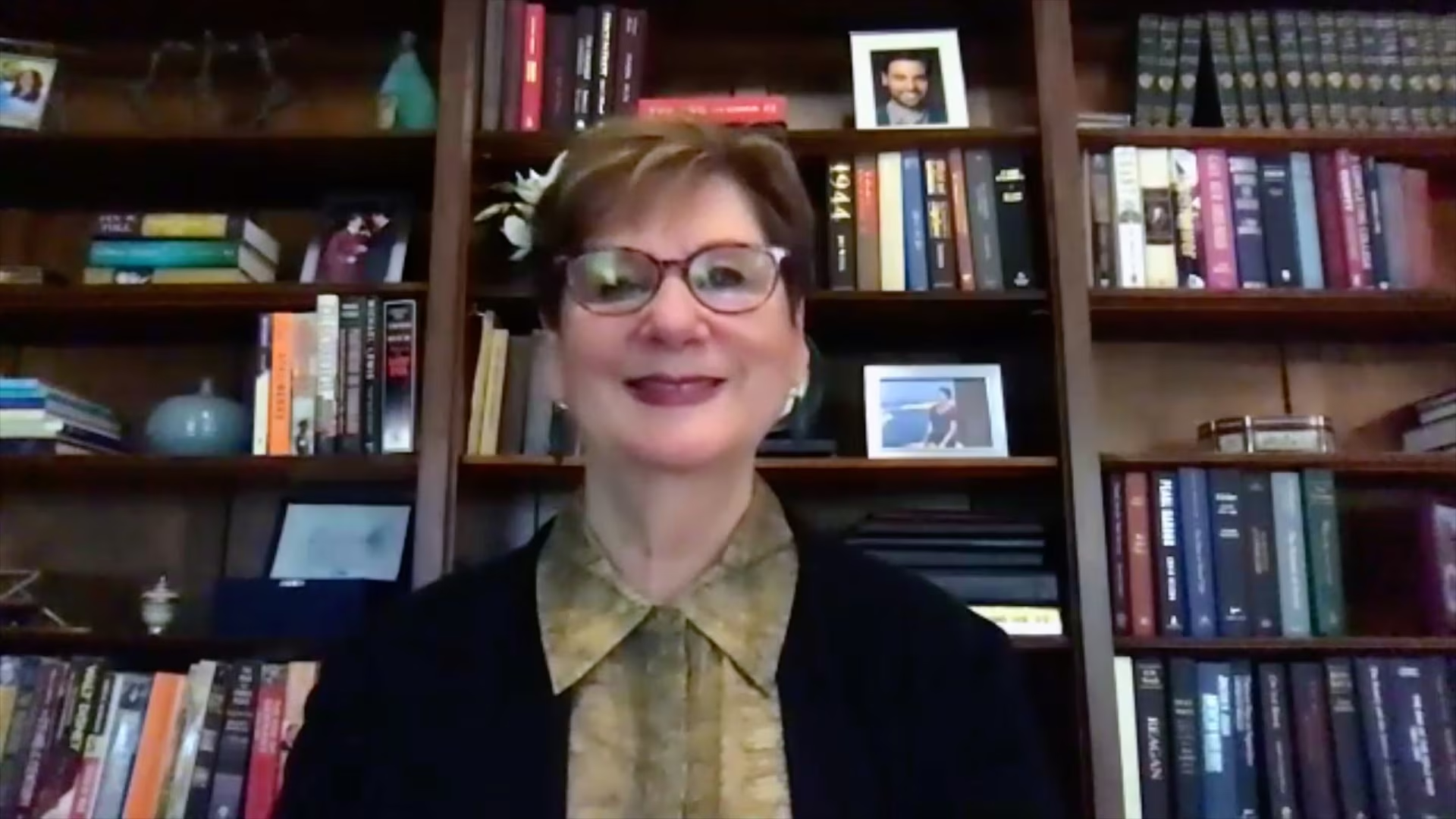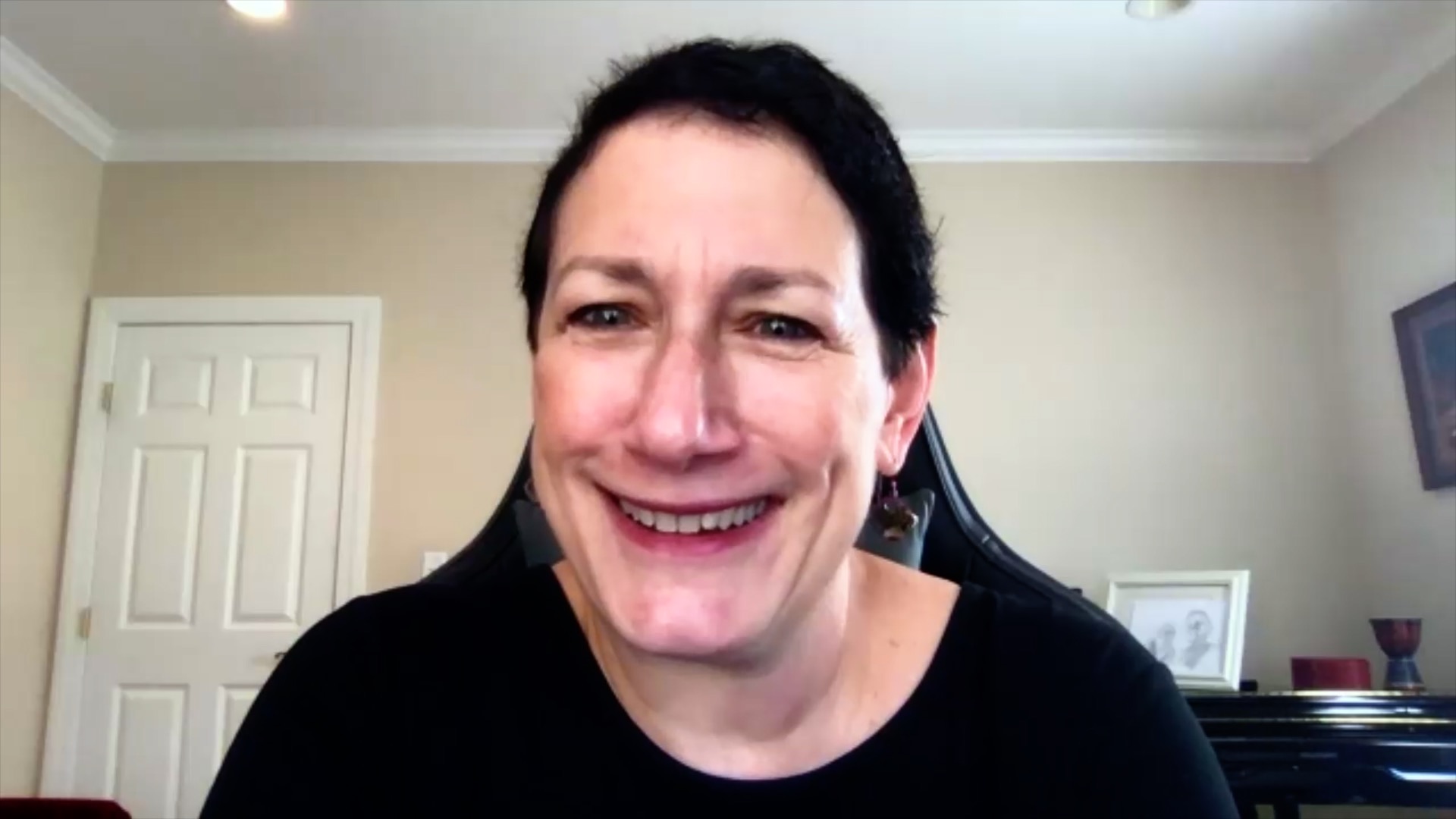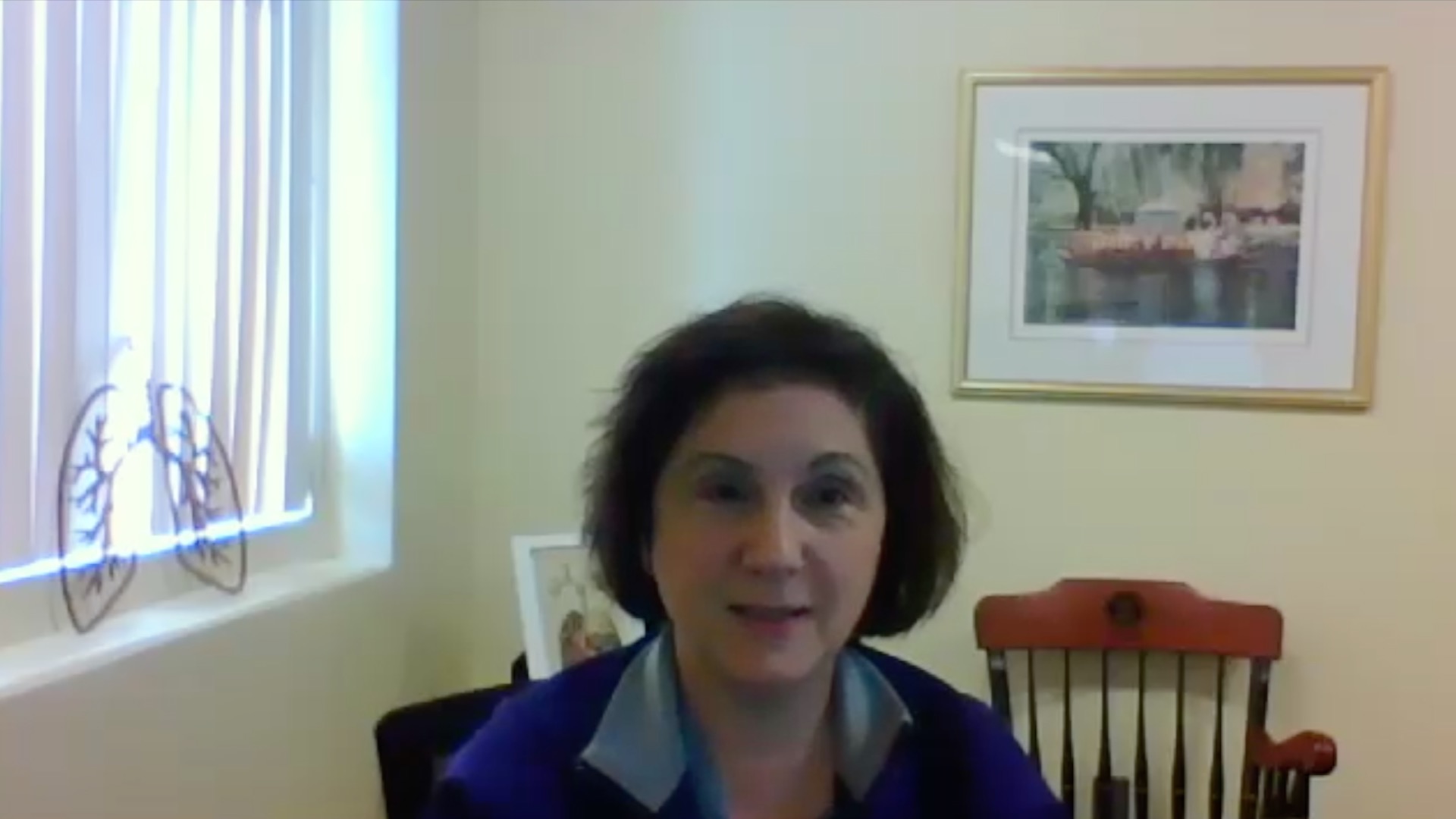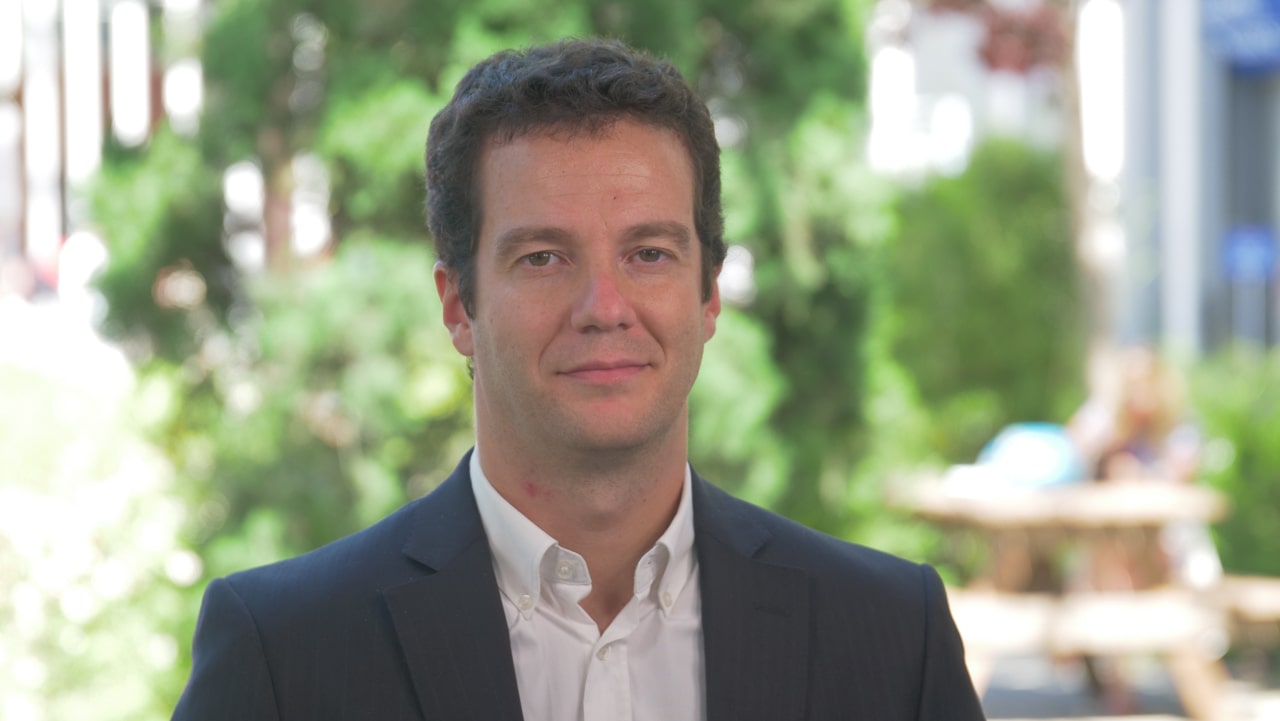
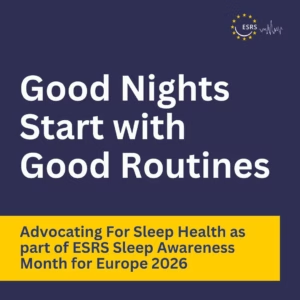
 Sleep Awareness Month for Europe is a March-long initiative led by the European Sleep Research Society to highlight the essential role of sleep in overall health and well-being. Aligned with the global “Sleep Well, Live Better” theme of World Sleep Day, the campaign encourages participating countries to promote evidence-based sleep education, with this year’s focus on helping children and adolescents build healthy routines. By engaging families, schools, and healthcare professionals, the initiative aims to raise awareness of good sleep habits, encourage early attention to sleep problems, and foster healthier sleep behaviours across Europe. In this interview, Dr Daniela Ferreira discusses the campaign’s objectives, key target groups, and how public awareness connects with clinical practice—offering a concise overview of why sleep matters across the lifespan.
Q. What is Sleep Awareness Month for Europe and how does the campaign aim to raise awareness?
Sleep Awareness Month for Europe is an initiative organized by the European Sleep Research Society (ESRS) and held throughout March. The campaign aligns with the global theme of World Sleep Day — “Sleep Well, Live Better.” Its primary objective is to highlight the fundamental role of sleep in overall health and well-being while fostering sustained public and professional engagement in sleep-related issues across Europe.
Participating countries are encouraged to promote ESRS initiatives, while also adapting activities to their national contexts, ensuring that messaging remains culturally relevant yet unified in its goal: raising awareness about the importance of healthy sleep.
This year’s central theme, “Good Nights Start with Good Routines,” focuses particularly on improving sleep hygiene in children and adolescents to support optimal development, learning, and emotional health. The campaign targets children up to 13 years old and includes a Europe-wide drawing competition reflecting this theme. Two winners from each participating country will have their artwork displayed at the European Sleep Congress in Maastricht in October — reinforcing both engagement and visibility.
Q. Which patient groups are most affected by poor sleep and targeted by this initiative?
Although the current campaign places strong emphasis on children and adolescents — recognizing that sleep is critical for growth, cognitive development, behavioural regulation, and emotional well-being — healthy sleep habits are essential at every stage of life.
By focusing on children, the initiative also indirectly reaches parents, caregivers, and extended family members. Promoting healthy sleep routines early in life increases the likelihood of better sleep patterns in adulthood, contributing to healthier populations overall. Importantly, sleep disturbances affect all age groups. Chronic sleep deprivation and irregular sleep schedules are widespread and can significantly impair physical and mental health.
Raising awareness also provides an opportunity to highlight common sleep disorders, such as insomnia and obstructive sleep apnoea, which are particularly prevalent in adulthood and frequently result in non-restorative sleep. The initiative therefore aims to empower children, families, and ultimately all age groups with the knowledge and tools needed to recognize poor sleep patterns and seek appropriate medical evaluation when necessary.
Q. How does Sleep Awareness Month aim to enhance clinical education and patient counselling?
Previous national initiatives demonstrate the impact of community-based sleep education. In 2019, as part of World Sleep Day, the Portuguese Sleep Association organized a similar drawing competition for school-aged children, the initiative successfully promoted sleep as a cornerstone of health, alongside balanced nutrition and physical activity.
While much of the current European campaign focuses on public-facing content and sleep hygiene promotion, its broader objectives align closely with sleep-health advocacy in clinical practice. These include:
• Providing evidence-based educational materials accessible to both the general public and healthcare professionals.
• Supporting clinicians with practical resources to initiate conversations about sleep in schools, clinics, and community settings.
• Encouraging early recognition of sleep disorders and appropriate referral to specialist care when necessary.
By strengthening clinicians’ ability to guide patients in basic sleep-improvement strategies and identify warning signs of more serious conditions, the campaign helps bridge gaps between public awareness and clinical practice.
Sleep education forms the foundation for understanding sleep as a pillar of health. Equipping both the public and healthcare professionals with reliable information facilitates early intervention, prevention strategies, and appropriate diagnosis and treatment of sleep disorders. For this reason, initiatives such as Sleep Awareness Month should not only be maintained but continuously reinforced.
Q. Why is improving sleep hygiene important across the lifespan, and how can patients optimize their sleep environment and habits?
Sleep hygiene refers to everyday behaviours and environmental conditions that support quality sleep—such as bedtime routines, sleep schedules, and a sleep-friendly bedroom environment. A good sleep is fundamental for cognitive performance, mood, memory, and learning in children and adults; can reduce the risk of chronic disease (cardiovascular diseases), support mental health, and maintain quality of life at all ages.
Ways to optimize sleep hygiene:
• Consistent sleep/wake schedule — regular bed and wake times help regulate the body’s internal clock.
• Pre-bed routine — calming activities before sleep (reading, dimmed lights) signal the body that it’s time to rest.
• Sleep environment — a cool, quiet, dark room with minimal disruptions promotes uninterrupted sleep.
• Lifestyle habits — limiting caffeine, heavy meals, alcohol, and screen use before bed. Improving sleep hygiene is one of the most accessible public-health strategies to improve sleep quality and overall health.
Q. What are the key challenges in diagnosing and managing obstructive sleep apnoea (OSA), and how can awareness efforts help?
Obstructive Sleep Apnoea (OSA) is a common sleep disorder marked by repeated airway collapse during sleep, leading to fragmented sleep and intermittent drops in blood oxygen levels. Symptoms include loud snoring, paused breathing, and excessive daytime sleepiness.
Key challenges:
• Underdiagnosis: Many people with OSA are not recognized or referred for evaluation because symptoms like snoring or fatigue may be dismissed or attributed to lifestyle.
• Diagnostic complexity: The gold standard, polysomnography, is resource-intensive and not always easily accessible, limiting early detection.
• Management and adherence issues: Treatments like CPAP (continuous positive airway pressure) can be effective but often have poor long-term adherence due to discomfort or inconvenience.
How awareness efforts help:
• Education campaigns like Sleep Awareness Month can increase public understanding of OSA symptoms and risks—encouraging people to seek medical evaluation earlier.
• Raising awareness can also encourage clinicians to screen more routinely and consider OSA in patients with unexplained fatigue, cardiovascular risks, or daytime sleepiness.
By reducing stigma, promoting early detection, and reinforcing clinician engagement, awareness campaigns contribute meaningfully to improved diagnosis and management of sleep disorders.
Conclusion
Sleep is not a luxury but a biological necessity and a central pillar of health. Through coordinated education, community engagement, and clinical collaboration, Sleep Awareness Month for Europe strengthens the recognition of sleep as fundamental to physical, cognitive, and emotional well-being across the lifespan. Sustained awareness efforts remain essential to transform knowledge into healthier sleep behaviours and ultimately, healthier societies.
Daniela Ferreira MD
 Head of the Sleep Pathology Unit, Pulmonology Department, ULS Gaia and Espinho, since 2014. Consultant in Pulmonology. Clinical and scientific activity in the field of Sleep Medicine since 2008. Medical Degree in 2000 from the Abel Salazar Institute of Biomedical Sciences, Porto, Portugal.
Certified in Sleep Medicine by the Portuguese Medical Association (2020); Somnologist accredited by the European Sleep Research Society (2016). Board Member (2nd Secretary) of the Portuguese Sleep Association (2019–2022). President of the Portuguese Sleep Association (2023–2025). Re-elected President of the Portuguese Sleep Association (2026–2028). Participation in meetings and congresses, with presentations at national and international conferences.
Further content in sleep related breathing disorders.
Editor: Victoria Smith, Senior Content Editor.
Disclosures: This short article was developed by touchRESPIRATORY in collaboration with the European Sleep Research Society (ESRS). No fees or funding were associated with this short publication. Image and quotes: © 2026. ESRS.
Cite: Sleep Awareness Month for Europe: Promoting healthy sleep habits for children and adults. touchRESPIRATORY. 3 March 2025.
Related content
- Managing PAP nonadherence in obstructive sleep apnoea: Key strategies and insights
- Advancements in the Treatment of Paediatric Sleep-disordered Breathing Using Hypoglossal Nerve Stimulation
- Phenotypic Heterogeneity in Sleep Apnoea
Register now to receive the touchRESPIRATORY newsletter!
Don’t miss out on hearing about our latest peer reviewed articles, expert opinions, conference news, podcasts and more.