
The Pulmonary Hypertension Professional Network (PHPN) Symposium, hosted by the Pulmonary Hypertension Association, is a leading event for healthcare professionals specialising in pulmonary hypertension (PH). It brings together experts to share the latest research, clinical practices, and treatment advances, fostering collaboration and innovation to improve patient outcomes and care for this complex condition.
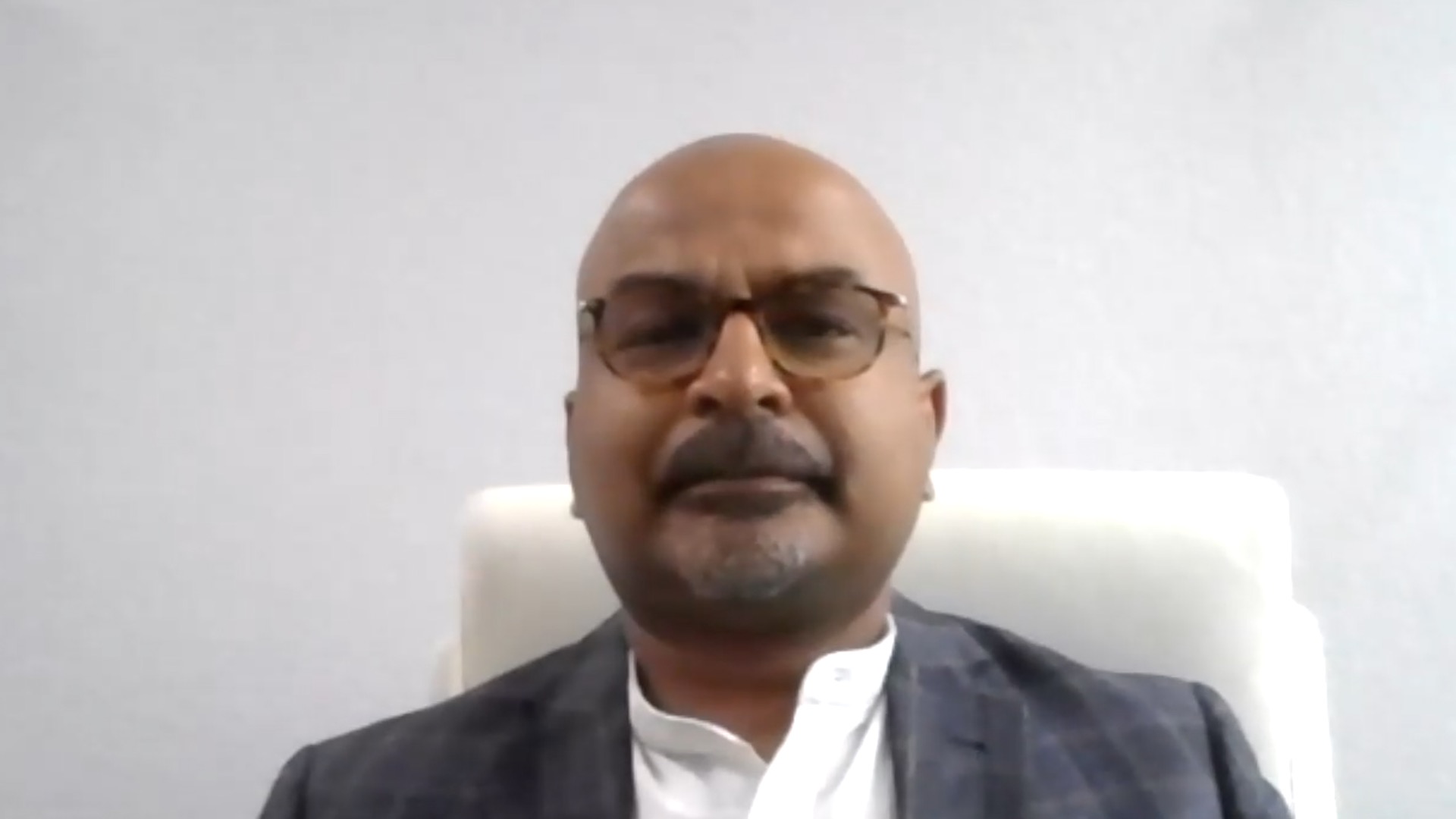
In this Q&A, Dr Jean Elwing (UC Medical Center, Cincinnati, OH, USA) highlights key takeaways from the 2025 Symposium, including new right heart echocardiography guidelines, health equity challenges in methamphetamine-associated pulmonary arterial hypertension (PAH), and promising therapies like sotatercept. Dr Elwing also reflects on the importance of early detection, personalized medicine, and multidisciplinary teamwork to address ongoing challenges and drive progress toward better outcomes and, ultimately, a cure.
Q. Were there any key presentations, sessions, or posters that stood out for you?
Several sessions were particularly impactful. “PHocus on the Right Heart: Clinical Application of the New 2025 Right Heart Echocardiography Guidelines,” led by Professor Anjali Vaidya, MD from Temple University, provided practical guidance on implementing the new guidelines. Professor Vaidya emphasized standardized, multiparametric RV assessment and the integration of advanced echo techniques, highlighting their impact on clinical decision-making in pulmonary hypertension.
Another standout was “Exploring the Role of Race and Ethnicity in Methamphetamine Use Patterns in PAH,” led by Dr Raquel Lyn, MD. This session addressed a critical area of health equity, focusing on the rise in methamphetamine use among underrepresented minorities and its contribution to methamphetamine-associated PAH (Meth-APAH). Dr Lyn highlighted the lack of standardized substance use screening in PAH patients and called for more research and practical strategies to address disparities and optimize care.
Q. What was the most impactful takeaway for pulmonologists from this year’s PHPN Symposium?
Q. Did you learn about any new treatments or diagnostic approaches that could change PH care?
Q. What challenges in managing PH stood out during the sessions?
Q. Which areas of PH research or care need the most attention moving forward?
Q. What were your personal highlights from this year’s PHPN Symposium?
One of my personal highlights was the “Pulmonary Hypertension JEOPARDY!” session. This prime-time gameshow was a standout, combining education and fun with excellent engagement. Led by Dr Robert Schilz, DO, it covered essential PAH topics in an interactive format that kept the audience involved.
One of the most impressive aspects of the conference was the outstanding attendance and high level of audience engagement. The large number of presented abstracts reflected the vibrant research activity in the field. The lightning rounds, in particular, provided an excellent platform for younger providers to showcase their work and research, fostering knowledge sharing and encouraging the next generation of clinicians and investigators to actively contribute to the advancement of pulmonary hypertension care and science.
Resources
- Pulmonary Hypertension Association. Attend PHA’s PHPN Symposium in Seattle. Available at: https://symposium.phassociation.org/home.cfm (accessed 29 September 2025).
- Cormican DS. 2025 ASE Guidelines on Echocardiographic Evaluation of the Right Heart with Focus on Pulmonary Hypertension: A Welcome and Necessary Update. J Cardiothorac Vasc Anesth. 2025:In Press.
Further content in pulmonary hypertension.
Editor: Victoria Smith, Senior Content Editor.
Cite: 2025 PHPN Symposium recap: Innovations in pulmonary hypertension diagnosis and care. touchRESPIRATORY. 7 October 2025.
Disclosures: This short article was prepared by touchRESPIRATORY in collaboration with Jean Elwing, it is not affiliated with the Pulmonary Hypertension Professional Network (PHPN) Symposium. Views expressed are the speaker’s own and do not necessarily reflect the views of Touch Medical Media. touchRESPIRATORY utilize AI as an editorial tool (ChatGPT (GPT-4o) [Large language model]. https://chat.openai.com/chat.) No fees or funding were associated with its publication.
Jean Elwing discloses receiving grant/research support from: Acceleron/Merck, Gossamer Bio, Inhibikase, Lung LLC, Novartis, NS Pharma, Pharmosa/Liquidia, Pulmovant, United Therapeutics; serving on advisory boards for: Aerovate, Gossamer Bio, Insmed, Janssen/Actelion/Johnson & Johnson, Liquida, Merck, Pulmovant, United Therapeutics; and receiving honoraria/honorarium from: Janssen/Actelion/Johnson & Johnson.
Related content

- Pulmonary Rehabilitation: Improving Access Through Digital Technologies
- Evolution of Hospitalization Trends and Outcomes in Idiopathic Pulmonary Arterial Hypertension
- Findings from a Phase 2b Trial Evaluating RT234, a Drug-Device Combination for Pulmonary Arterial Hypertension
Register now to receive the touchRESPIRATORY newsletter!
Don’t miss out on hearing about our latest peer reviewed articles, expert opinions, conference news, podcasts and more.